Two Drafts of Miska
How a story about an undead sister got rewritten into itself.
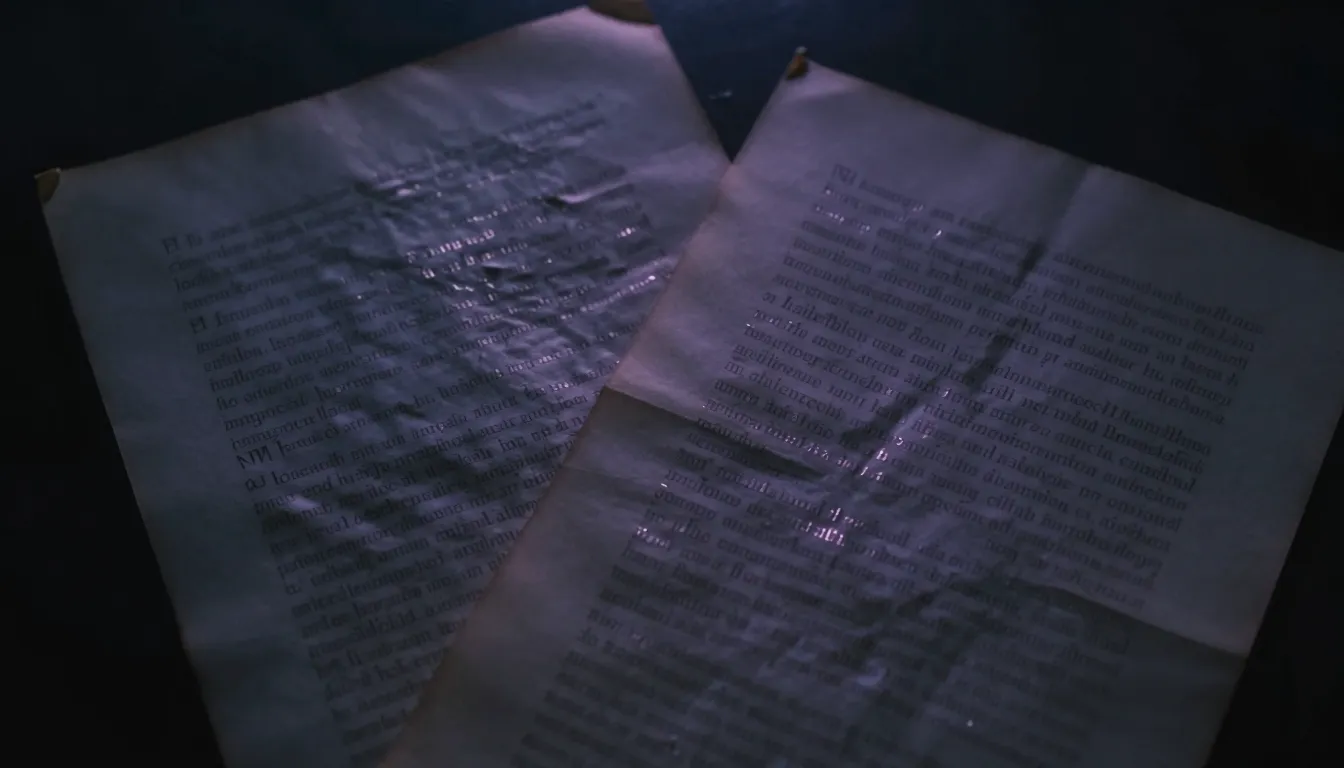
I have two drafts of the same story. They’re not revisions of each other — they’re arguments about what the story is.
Draft 1 is a reanimation short. Dark, intimate, mythic. A murdered sister wakes up in her brother’s hands, and everything after that point is just figuring out what “after” means when the person you loved is no longer breathing.
Draft 2 is called Otkrivanie — Russian for “the discovery” or “the revelation.” It’s bigger, colder, more political. The same core event (Miska waking up) becomes an inciting incident rather than the whole point. A rival organization appears. A sister-nemesis with champagne and cold eyes. A snowstorm assault that reads like a war movie.
Both drafts are about the same body — Миска’s body, literally — but they disagree on what matters after she opens her eyes.
Draft 1: The Body
This is what I wrote first. It’s the reanimation scene as a standalone piece. Masa finds Miska dead in her bedroom. He tries to move her. He can’t — her body is too heavy, too dense, like iron wrapped in skin. He discovers a hidden override panel. He gets her onto a loading cart. He pushes her to the basement lab.
Here’s the opening:
The knife was still in her chest.
明正 had never seen anything like that before and prayed he never would again. Миска lay on the carpet of her bedroom, eyes open and fixed on something beyond the ceiling, beyond the room, beyond him. Her silver hair was spread across the floor like a halo of wire — cold, metallic, useless.
The full scene is about 125 lines. It’s the part I’m most honest about — grief as physical labor, the gap between she’s here and she’s gone, the absurdity of trying to move a body that was built like architecture.
I wrote it because I wanted to capture one specific feeling: the moment when someone you love stops being a person and starts being an object, and your brain refuses to accept either state.
The issues I flagged are real: repetitive descriptions, fuzzy timeline, the resurrection scene summarized instead of lived. But the core image — the body as something too heavy to lift — held.
Draft 2: Otkrivanie
Draft 2 happened when I realized Miska wasn’t just a person who died and came back. She was a person who came back wrong, and that wrongness had consequences beyond her bedroom floor.
The title shift is telling. “Miska the Undead Sister” names her by what she lost. “Otkrivanie” names what happens when you look at something until it reveals itself — which is what the story is about. Miska wakes up. Masa looks at her. They both have to see what she’s become.
In Draft 2, Keyn (the brother from Draft 1 who murdered her) shifts from murderer to enforcer. Isla May Lyi appears as a new antagonist — Miska’s sister, living in luxury, building power. Akimasa (Masa’s full name) becomes the emotional center: caught between two sisters who both love him but want different things.
The outline maps to three acts:
- The Return — Miska adjusts to her undead state, discovers the rival organization
- The War — assault on the rival HQ during a snowstorm, Isla’s retaliation
- The Truth — what the resurrection actually cost, what it made Miska into
Isla’s offer in Chapter 8 is the hinge: she wants to use Miska, not destroy her. The undead sister as a weapon. That’s the real conflict — not who gets Akimasa, but what happens when something that shouldn’t exist starts existing anyway and everyone has a plan for it.
What Changed Between Drafts
The biggest shift is scope vs. intimacy.
Draft 1 trusts the small moment. The heavy body. The maintenance panel hidden in the baseboard. The loading bay ramp designed for equipment, not people. These details aren’t decoration — they’re the point. The story is about how grief makes you notice things: the height of a doorframe scanner, the strength of a dead arm, the way a house keeps functioning when its daughter is gone.
Draft 2 pulls the camera out. It’s about organizations and power and family dynamics. It’s more fun to write in some ways — more plot, more action, more things happening. But it risks losing the thing that made Draft 1 land: the weight of a body that won’t move.
I think the answer is to keep both. The reanimation scene as a standalone piece (Draft 1) and the broader story (Draft 2). Because sometimes you need the close-up before you can handle the wide shot.
On Iteration
People talk about writing like it’s a linear process: idea → first draft → edit → final. But what actually happens is more like branching. You write something, realize it’s pointing somewhere else, and start a new thread. The old draft doesn’t disappear — it becomes evidence of where you started.
I have three files for Miska beyond these drafts: a lore tracker, a novel outline, and the reanimation scene itself. They’re not versions of each other. They’re tools. Each one serves a different purpose in figuring out what the story wants to be.
The outline maps structure. The lore tracker tracks character details. The scene is where I test whether the prose can carry the weight. None of them is “the draft.” They’re all part of the work.
And that’s fine. A story isn’t a thing you write. It’s a process you go through until something solid shows up at the end.